FOR LABORATORY ANALYTICAL USE ONLY. This product is a synthetic peptide reagent intended solely for laboratory-based biochemical assay, mass spectrometry reference, and chromatographic testing. Not for human, clinical, therapeutic, or veterinary use.
IGF-1 LR3 — Chemical & Analytical Specification
| Product Classification |
Synthetic Biochemical Reagent / Analytical Reference Material |
| Available Quantity |
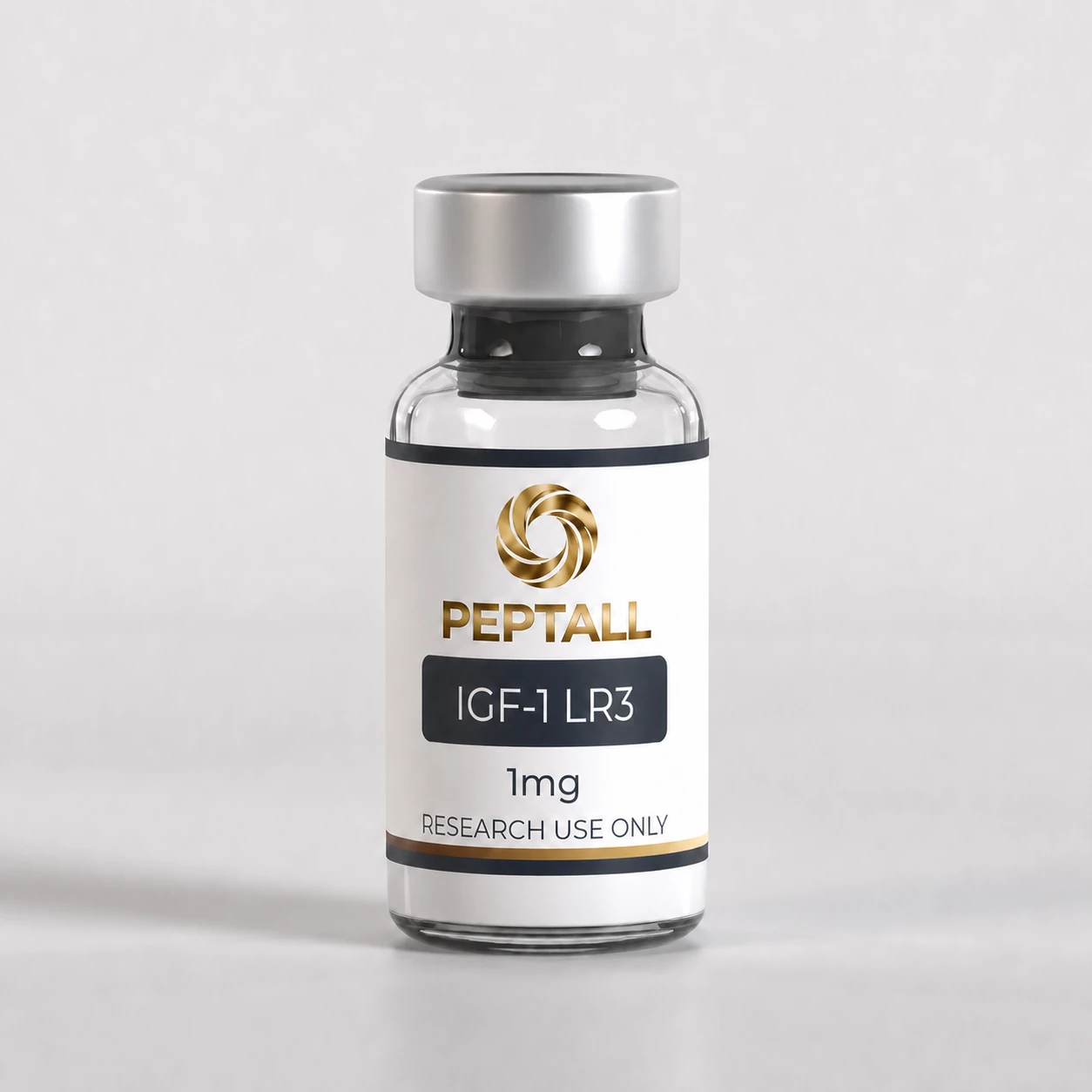
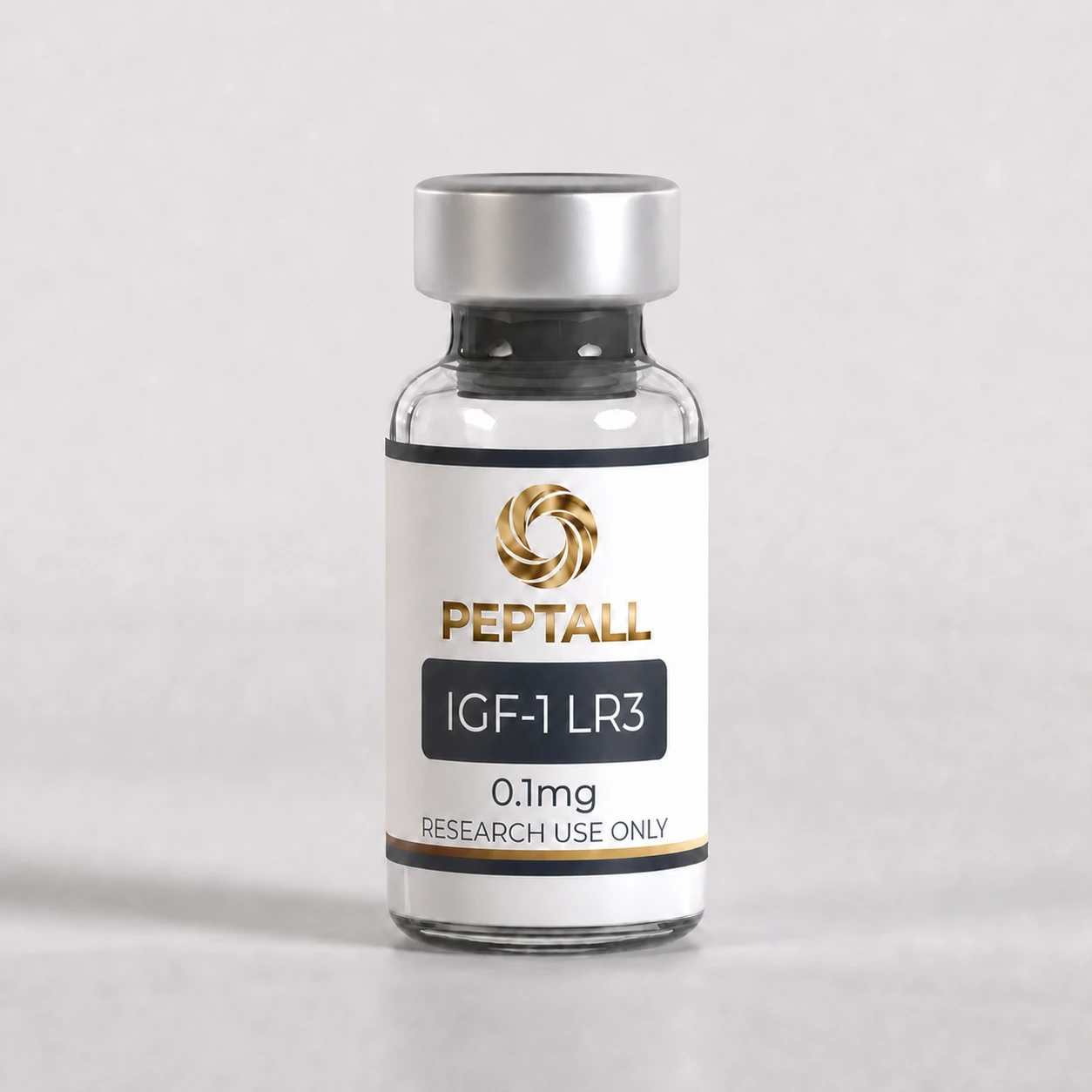
1MG, 0.1MG |
| Primary Analytical Method |
HPLC, Mass Spectrometry (MS) Assay Validation |
Chemical and Structural Context
IGF-1 LR3 is an 83-amino-acid synthetic peptide analogue featuring an N-terminal extension and a substitution at position 3 (Arg3). These structural modifications alter binding affinity in comparative in vitro biochemical assays compared to native sequence compounds.
Laboratory & Testing Framework
This compound is formatted for standardized laboratory reference, molecular characterization, and in vitro binding kinetics assays within qualified biochemical research environments.
Laboratory Analytical Applications
Suitable testing endpoints for this reference material include receptor binding affinity assays, LC-MS molecular weight confirmation, chromatographic purity determination, and in vitro signal transducer kinetics.
This material is produced for analytical, biochemical, and controlled laboratory workflows. Operating procedures must define test system matrices, concentrations, and analytical validation parameters prior to sample processing.
Analytical Scope
- In vitro receptor binding kinetics
- Peptide identity and purity analysis
- Biochemical assay control and calibration
Analytical Keywords
- Receptor binding assay
- Mass spectrometry identification
- RP-HPLC purity assessment
- Biochemical reference standard
Handling and Material Storage
Store according to standard peptide storage guidelines. Reconstitution buffers, solvent compatibility, stability windows, and working dilutions should be calibrated using standard analytical protocol within qualified laboratory facilities.
Important Compliance Requirements
- No therapeutic, diagnostic, cosmetic, or medical claims are made or implied.
- Laboratory protocols must be conducted by qualified personnel using specialized safety equipment.
- This material is not approved for clinical administration or diagnostic evaluation.
For in vitro laboratory analysis only. Strictly not for human or animal consumption.
Regulatory notice. Supplied exclusively as a laboratory reagent for analytical and biochemical evaluation. Purchasing organizations are responsible for adherence to local regulatory and safety standards.